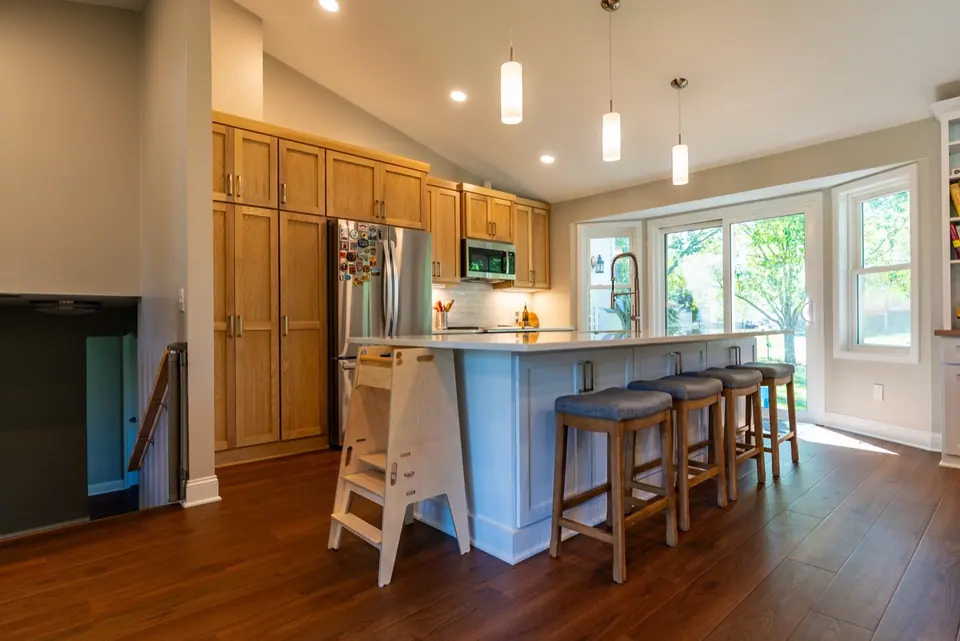
If you're a remodeler, your next customer is scared of a few specific things. Name them on your page, then show how you prevent each one. A clear six step process, honest stakes and a villain for each type of project help you stop sounding like every other remodeler.
 1:46Watch the videoRemodeler Website Messaging: Fears, Villains and Process
What your customer is afraid of
Before someone calls a remodeler, they've usually been thinking about it for months. They've also heard horror stories. Here are the fears I hear behind the scenes.
- The project never gets finished. They're out of money with a house torn open.
- Design regrets. They live with a choice they hate.
- A blown timeline. The job drags on and life gets harder.
- A budget that balloons through change orders. The price at the start isn't the price at the end.
- Sloppy work from random subs. Strangers show up and nobody's in charge.
- A contractor who takes the deposit and goes quiet. The worst one of all.
Those are your stakes. They're why people hesitate, and why they compare so many bids. When your page names them, the reader thinks, "This person gets it."
The villain for each type of project
A villain gives the problem a name. It makes the stakes easy to picture, and it keeps the focus on the problem, not on a competitor.
- Kitchens: The Workflow Wrecker. A layout that turns cooking into a daily fight.
- Bathrooms: The Morning Mayhem Maker. An outdated room that makes every morning chaos.
- Additions: The Space Thief. A house too small for the family living in it.
- Whole house remodels: The Disconnected Dwelling. A home split into separate islands.
Use them on the matching service page. A kitchen page that names the Workflow Wrecker speaks right to the person who's tired of bumping into the fridge.
The six steps that prevent it
Show your process, in plain words, from the customer's side.
- Scope and floor plan possibilities. What could this house become? Start with the big picture.
- A design agreement and discovery. They pay for a real design phase, and you learn how they live.
- Design options and the final plan. This is where selections get made, since they move the budget.
- The contract and the build. With an exact budget and allowances, so they know what's included.
- Built by artisans and trade partners. The people doing the work are skilled and known to you.
- A final walkthrough and a warranty. You check everything together, and you stand behind it.
Each step answers one of the fears. The design phase addresses regrets. The exact budget addresses change orders. The warranty addresses the contractor who disappears.
What customers remember
People remember a handful of things long after the dust settles.
- Proactive updates.
- A clean job site.
- A clear scope.
- A contractor who owns the problem.
Say all of that on your site, and you stop sounding like every other remodeler. These aren't flashy claims. They're the things that make a stressful project feel safe.
A quick example
This is an illustration only. A kitchen page might open like this. "Is your kitchen working against you? Do you bump into the same corner every morning?" Then the page names the villain, the Workflow Wrecker, and describes how a good layout fixes it. Next comes the six step process, a short promise section with the things the company does on every job, and a clear button to book a design visit.
The page doesn't brag about awards. It shows the reader their problem and a safe path out.
How to use the stakes honestly
Stakes work when they're real and used lightly. Don't exaggerate or scare people. Say what can go wrong in a sentence or two, then move quickly to how you prevent it.
If your process doesn't actually prevent a fear, don't claim it does. Only promise what your business really delivers. A reader can tell when a claim is thin, and it costs you trust.
Where to put this on your site
- Your homepage. A short list of fears and a link to the process.
- Each service page. The matching villain and the specific stakes for that project type.
- Your process page. The six steps in more detail.
- Your ads and videos. A single fear and a single promise per piece.
- Sales conversations. Walk through the process live so people see how it works.
The mistakes to avoid
- Listing services without the fears. The reader doesn't see why you're different.
- Vague promises like quality craftsmanship. Be specific about how you prevent problems.
- Hiding the process. Show the steps so people feel safe.
- Overdoing the drama. Light, honest stakes work better.
- Promising what you can't deliver. Match your claims to your real practice.
Your Monday morning list
- Write down the three fears you hear most from customers.
- Match each fear to one thing you do to prevent it.
- Write your process in six steps from the customer's side.
- Pick a villain name for your most common project type.
- Rewrite the top of one service page around the fear and the fix.
If you'd like me to look at how your site tells this story, book the $99 audit call at https://www.feedbackwrench.com/book. I'll tell you what I'd fix first, in plain English. You'll walk out with a scored one page audit and your top three fixes.
Questions people ask
What are remodeling customers afraid of?
"The project never gets finished, and they're out of money with a house torn open. They also fear design regrets, a blown timeline, a budget that balloons through change orders, sloppy work from random subs, and a contractor who takes the deposit and goes quiet."
How should a remodeler use fear in marketing?
"Name the fears on your page, then show how you prevent each one. Be honest and agitate lightly. The goal is to show you understand, not to scare anyone."
What is a good remodeling process to show on a website?
"Six steps work well. Scope and floor plan possibilities, a design agreement and discovery, design options and the final plan, the contract and build, work by artisans and trade partners, then a final walkthrough and a warranty."
Why charge for a design phase?
"A paid design phase lets you learn how the family lives and settle selections, since they move the budget. You can then give an exact budget and allowances, so the customer knows what's included."
What do customers remember about a good contractor?
"Proactive updates, a clean job site, a clear scope and a contractor who owns the problem. These aren't flashy, but they make a stressful project feel safe."

Rob built Feedbackwrench and Nuance Financial Tax & Accounting. Since 2015, our team has helped transform 550+ small businesses with marketing, strategy and systems.